Trotternish Peninsula
Trotternish is the long northern arm of Skye, and geologically it's one of the strangest parts of the island — a landscape built by the largest landslip in Britain, still visible today as a broken line of cliffs and pinnacles running almost the full length of the peninsula.
That landslip formed the Trotternish Ridge, a basalt escarpment sitting on softer sedimentary rock below, which has slumped and slipped over thousands of years to leave isolated rock towers standing apart from the main cliff line. The best known is the Old Man of Storr, a distinctive pinnacle visible from the main road and reached by a signposted footpath from a car park a short drive north of Portree. Further north again is the Quiraing, a still-shifting section of the landslip near Staffin where the road itself has had to be repaired repeatedly over the years as the ground moves beneath it — a walking circuit here takes in features known locally as the Table, the Needle and the Prison.
On the peninsula's east coast, Kilt Rock is a sea cliff where the rock face is patterned with vertical basalt columns said to resemble tartan, with the Mealt Falls dropping directly over the cliff edge into the sea below. Further sites around the peninsula include the ruins of Duntulm Castle, once a stronghold of Clan MacDonald, and the Skye Museum of Island Life, a group of preserved thatched crofting cottages near Kilmuir.
Where to Stay on the Trotternish Peninsula
There's no single town on Trotternish itself, so most visitors base themselves in one of the peninsula's villages — Staffin, Uig or the northern tip near Duntulm.
-
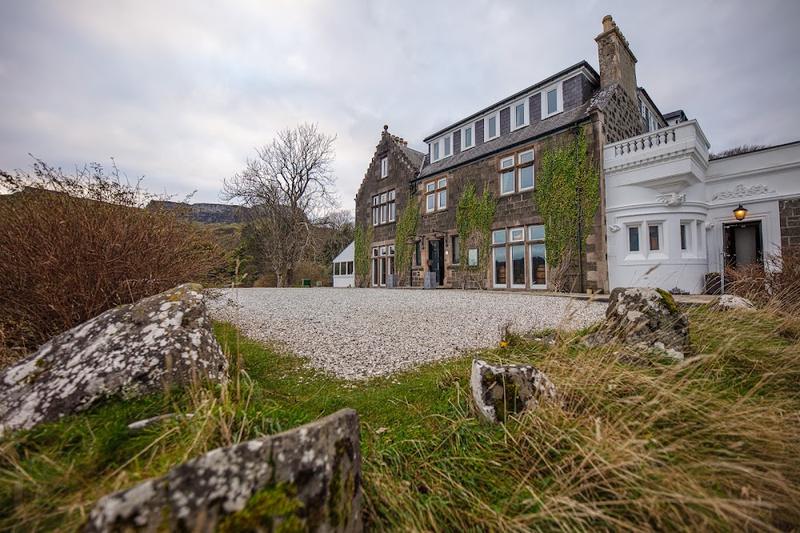 Flodigarry HotelAt the foot of the Quiraing, near Staffin
 - Duntulm Castle HotelNorthern tip of the peninsula, sea views across the Minch
-
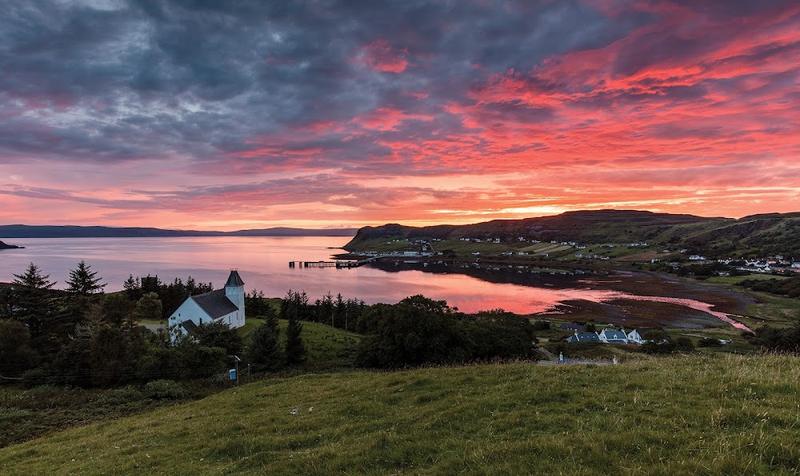 Uig HotelOn the hill above Uig Bay and the ferry terminal
 -
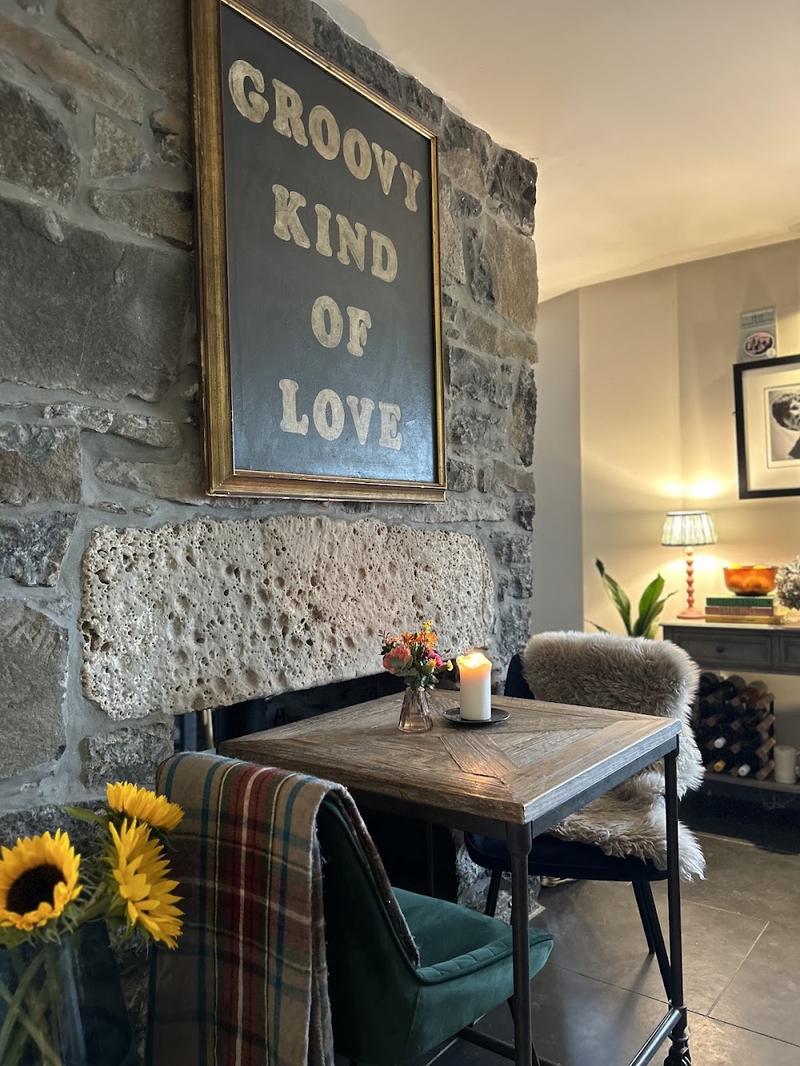 The Ferry InnFamily-run inn in Uig village
 -
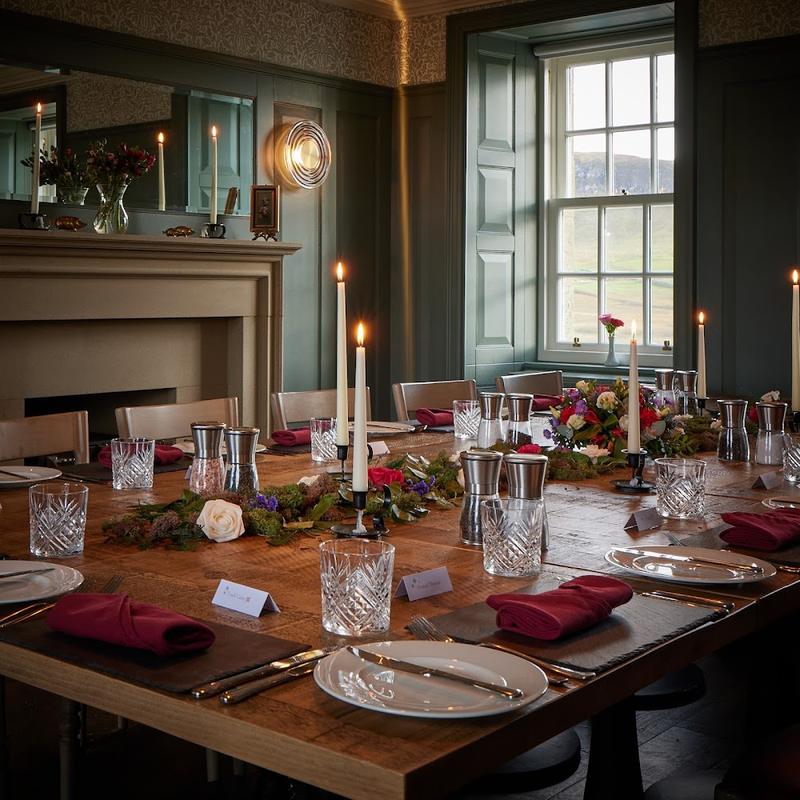 Monkstadt 1745Restored historic lodge near Kilmuir, west Trotternish
 -
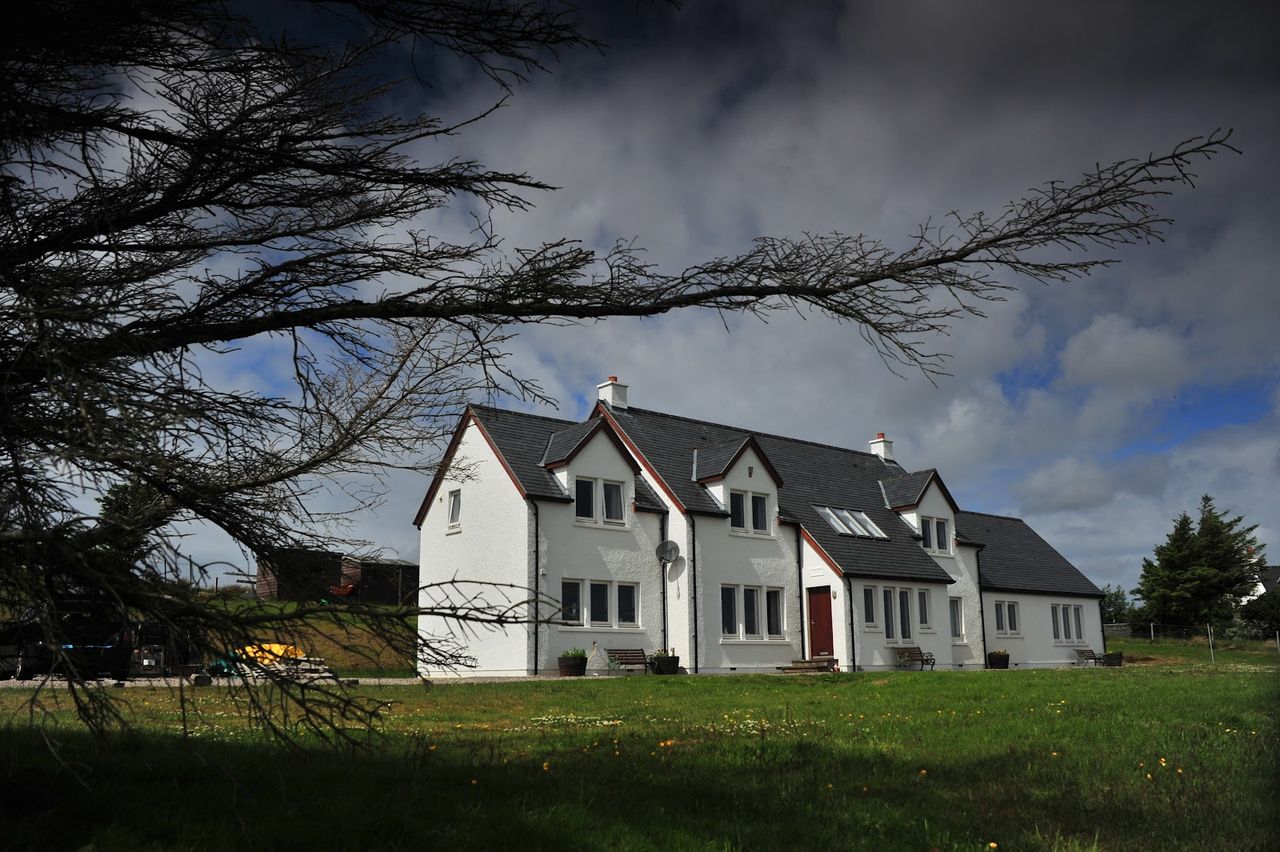 Beinn Edra House B&BSea views over the coast, near Staffin
 -
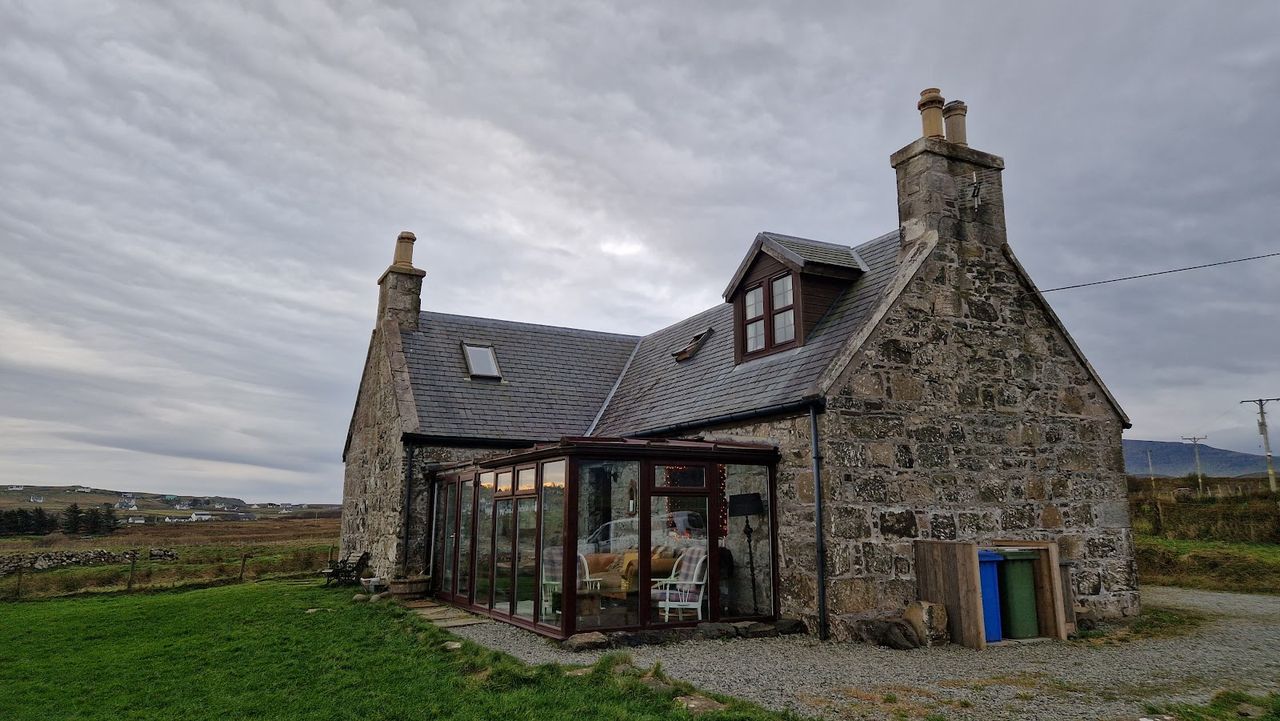 The Old Inn StaffinTraditional inn near the Quiraing
 -
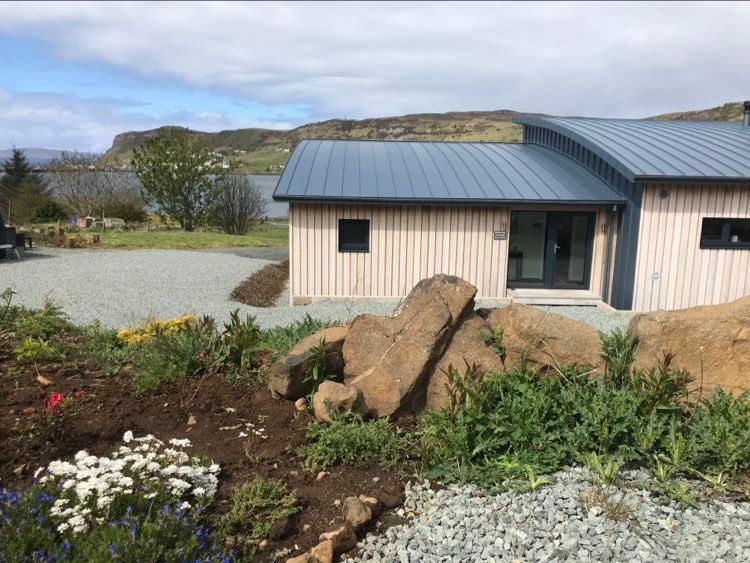 Stones Bed and BreakfastAdults-only, sea views near Uig's ferry pier
 -
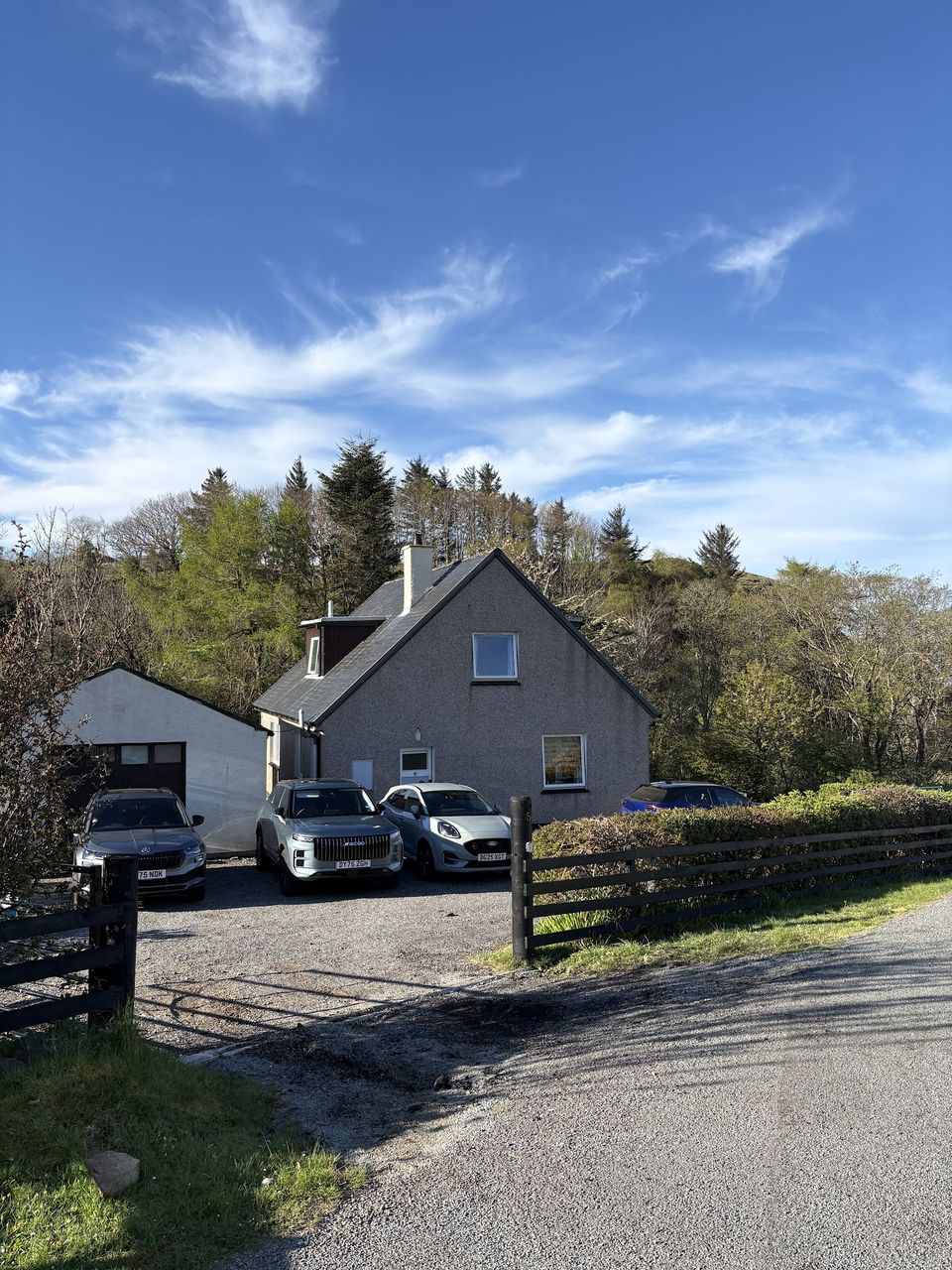 5 Glenconon Bed and BreakfastAdults-only, garden and sea views near Uig
When to visit
The Old Man of Storr and the Quiraing are both among the most visited sites on Skye, and their car parks fill early in the day through spring and summer — arriving before mid-morning, or later in the evening, makes a real difference. Outside those two spots the peninsula is much quieter, and its single-track roads and exposed clifftop paths are worth taking slowly regardless of season, as weather here can change quickly.